Food is a fundamental aspect of our daily lives, providing nourishment and enjoyment. However, lurking behind the enjoyment of a meal is a hidden danger: foodborne pathogens. Every year, millions of people around the world fall ill due to foodborne illnesses, with some cases resulting in severe complications or even death.
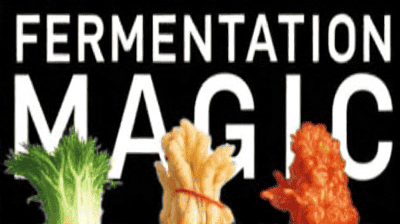
Fermentation is one of the oldest food preservation methods known to humanity, a process that transforms simple ingredients into complex and flavorful foods. Among the countless examples of fermentation, two standout products are kimchi and soy sauce—each deeply rooted in their respective cultures and culinary traditions.
In an era marked by increasing consumer awareness and demand for transparency in food sourcing, the agriculture and food industry faces the pressing need for reliable traceability solutions. Food safety scandals, product recalls, and concerns over authenticity have underscored the vulnerabilities within food supply chains.
As the global population continues to grow, the need for sustainable agricultural practices is more pressing than ever. Conventional farming methods have contributed to soil degradation, loss of biodiversity, and significant greenhouse gas emissions, all of which threaten food security and the health of our planet.
In recent years, plant-based meat alternatives have surged in popularity, driven by growing concerns about health, the environment, and animal welfare. Consumers are seeking new ways to enjoy familiar flavors, and science has responded with innovative technologies that replicate the taste, texture, and juiciness of traditional meat without involving animals.
As the global population continues to grow and climate change accelerates, the interconnected issues of deforestation and hunger loom larger than ever. Deforestation, driven by agricultural expansion, logging, and infrastructure development, has far-reaching impacts on ecosystems, biodiversity, and the climate.
In the quest for sustainable nutrition, the exploration of unconventional food sources has gained momentum. Among these, algae stands out as a nutritional powerhouse that could revolutionize our diets and contribute significantly to global food security.